menu heading
Menu Item OneMenu Item TwoMenu Item ThreeMenu Item FourMenu Item FiveMenu Item SixMenu Item Seven

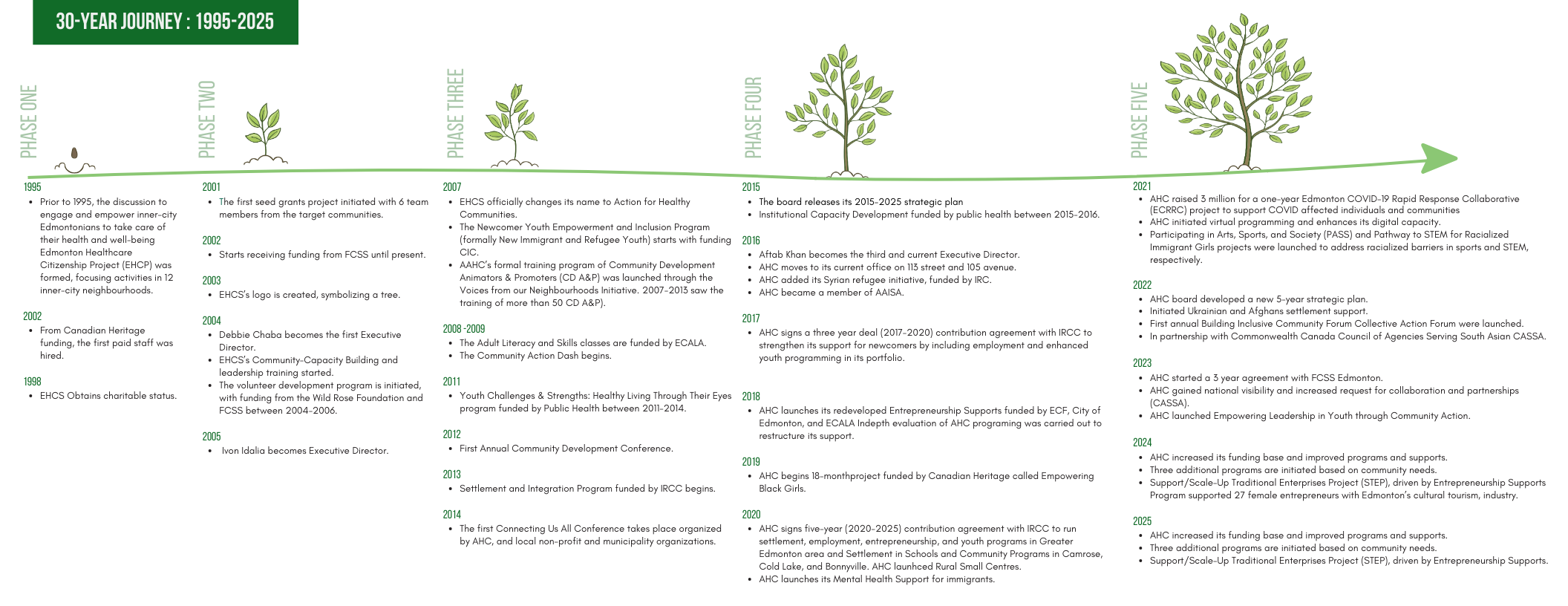
AHC Historical Timeline

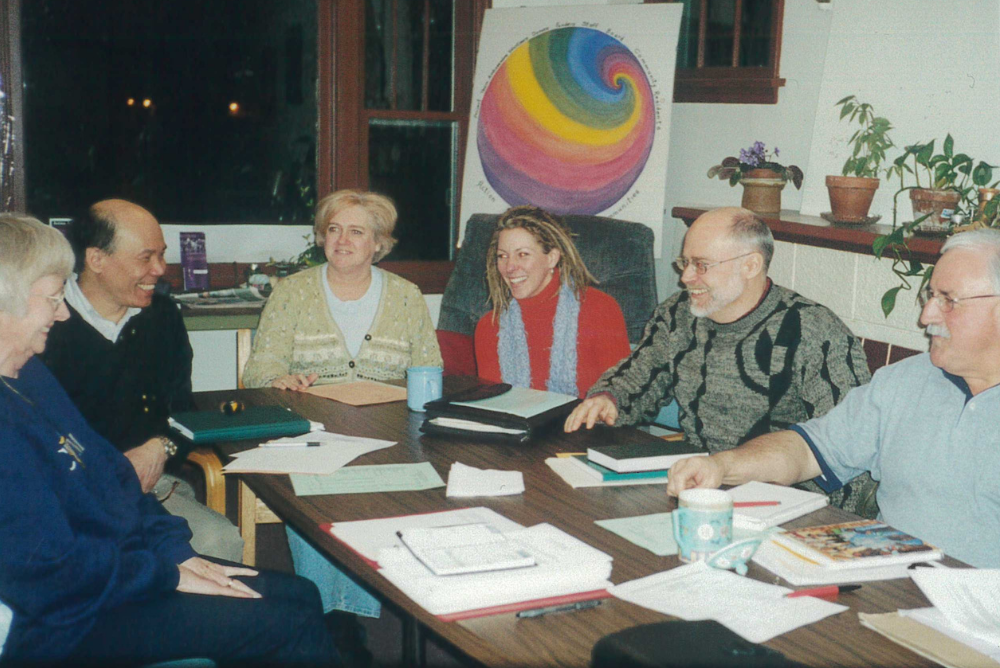
A group of healthcare workers started to meet to discuss how they could provide an adequate way to engage and empower inner-city Edmontonians to take care of their health and well-being. 

1992

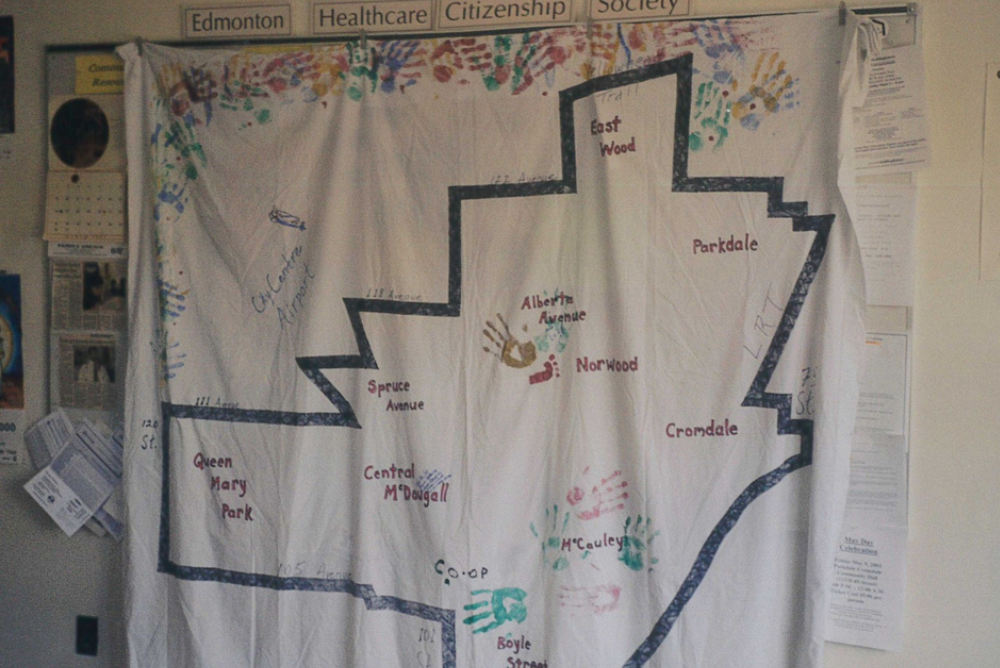
Edmonton Healthcare Citizenship Project (EHCP) was formed, focusing activities in: 

  • McCauley 
  • Boyle Street 
  • Alberta Avenue 
  • Cromdale 
  • Parkdale 
  • Spruce Avenue
  • Eastwood
  • Central McDougal
  • Norwood

1995

First AGM meeting was held June 26th, 1996.  

1996

 Mary Gullivan was hired to oversee the Community Health Team with funding from Canadian Heritage. 

1997

EHCS Obtains charitable status 

1998

 EHCS obtains its first office in a house on 97 street 

2000

A project team was created to facilitate seed grants and put decision-making power and accountability into the hands of community residents. The team was composed of six individuals from the ten communities that EHCS worked in.

2001

 The Community Initiative program grows and receives funding from FCSS (till present).  

2002

  • The organization’s new home was centrally-located sacred heart soul school, alongside several non-profit organizations. 
  • EHCS’s logo is created, symbolizing a tree 

2003

  • Debbie Chaba becomes the first director (ED) and Ivon Idalia is the first program coordinator.  
  • Leadership training and community building activities are implemented into EHCS’s Community-Capacity Building and the volunteer development program is initiated, with funding from the Wild Rose Foundation and FCSS between 2004-2006

2004

  • Ivon Idalia becomes Executive Director 
  • 10th anniversary of EHCS 

2005

  • EHCS officially changes its name to Action for Healthy Communities 
  • The Newcomer Youth Empowerment and Inclusion Program (formally New Immigrant and Refugee Youth) starts with funding CIC 
  • AHC’s formal training program of Community Development Animators & Promoters (CD A&P) was launched through the Voices from our Neighbourhoods Initiative. 2007-2013 saw the training of more than 50 CD A&P)  

2007

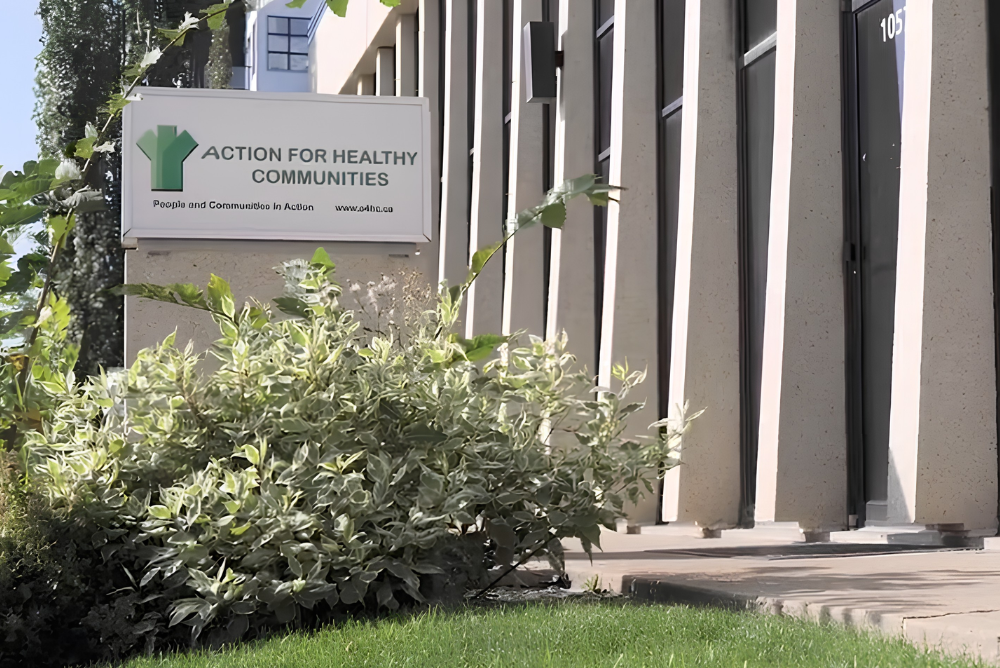
  • AHC moves to its own leased office space on 105 ave and 110 Street 
  • The Adult Literacy and Skills classes are funded by ECALA 
  • The Community Action Dash begins 

2008-2009

Youth Challenges & Strengths: Through Their Eyes program was funded by Canadian Heritage between 2010-2013 & lottery board between 2012-2014 

2010

Youth Challenges & Strengths: Healthy Living Through Their Eyes program funded by Public Health between 2011-2014 

2011

First Annual Community Development Conference  

2012

  • Settlement and Integration Program funded by IRCC begins 
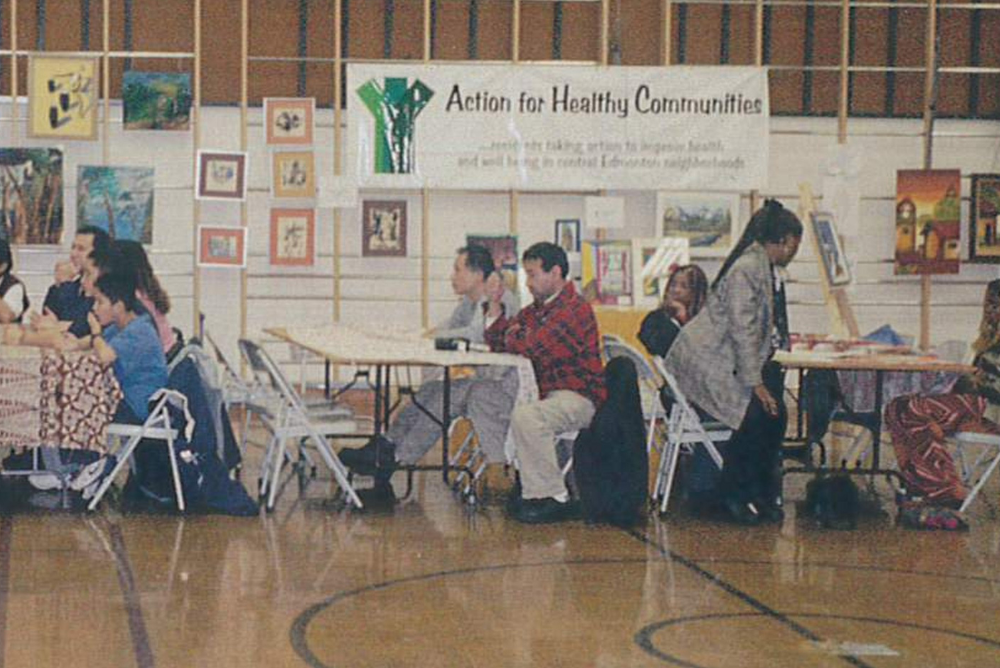
  • AHC holds first Diversity fair 

2013

The first Connecting Us All Conference takes place - organized by AHC, Edmonton Mennonite Centre for Newcomers, the Edmonton Multicultural, Edmonton Chambe of Voluntary Organizations, the Edmonton Foundation of Community Leagues, the City of Edmonton, and Alberta Culture & Tourism

2014

  • AHC’s 20th anniversary 
  • The board releases its 2015-2025 strategic plan 
  • Institutional Capacity Development funded by public health between 2015-2016 

2015

  • Aftab Khan becomes the third and currently Executive Director 
  • AHC moves to its current office on 113 street and 105 avenue 
  • The Healthy Active Community Kids (HACK) program begins with funding from FCSS and ECF 
  • AHC added its Syrian refugee initiative, funded by IRCC 

2016

AHC signs a three (2017-2020) contribution agreement with IRCC to strengthen its support for newcomers by including employment and enhanced youth programming in its portfolio. 

2017

AHC launches its redeveloped Entrepreneurship Supports funded by ECF, City of Edmonton, and ECALA 

2018

AHC begins an 18-month pilot project funded by Canadian Heritage called Empowering Black Girls, aimed at the empowerment of Black Canadian Girls ages 16-24.  

2019

  • AHC signs five-year (2020-2025) contribution agreement with IRCC to run settlement, employment, entrepreneurship, and youth programs in Greater Edmonton area and Settlement in Schools and Community Programs in Camrose, Cold Lake, and Bonnyville.  
  • AHC celebrates 25 year anniversary 
  • AHC launches its Mental Health Support for immigrants 

2020

  • AHC expands its Rural Small Centre support to Leduc/Beaumont in collaboration with the Black Gold School division 
  • AHC led a one-year Edmonton COVID-19 Rapid Response Collaborative (ECRRC) project involving 13 partners agencies to support COVID affected individuals, which includes providing services and supports in mental health, financial, vaccination, and food. This collaboration raised 3 million dollars, including 2 million dollars from the provincial government 

2021

AHC board updated its 5-year strategic plan 

2022

AHC started a 3 year agreement with FCSS Edmonton. These strengthened supports helped add more online supports, increased internal capacity to effectively respond to community needs, and  improved diversity in AHC funding 

2023

  • AHC gained national visibility and increased request for collaboration and partnerships 
  • AHC increased its funding base and improved programs and supports 
  • Three additional programs are initiated based on community needs 

2024

  • AHC entered into a new partnership for program strengthening in rural Alberta 
  • AHC initiated programs in two other province in collaboration with local/provincial organizations 
  • AHC completes three-year agreement with FCSS Edmonton 
  • AHC celebrates 30th anniversary 

2025

Land Acknowledgment

As an organization working towards improving peoples’ well being, we acknowledge our presence on Treaty 6 territory and Métis Nation of Alberta Region 4, a traditional meeting grounds, gathering place, and travelling route for the Cree, Saulteaux, Blackfoot, Métis, Dene, Ojibway, Anishinaabe, Nakota Sioux, and Inuit, as our responsibility to extend support for healing to our Indigenous Community members during this difficult times. 
We acknowledge all the many First Nations, Métis, and Inuit whose footsteps have marked these lands for centuries and whose histories, languages, and cultures continue to influence our vibrant community.

As an organization, we commit ourselves to continue to acknowledge, learn, understand, and create opportunities to educate our staff, volunteers, and community members about the lived experiences of First Nations, Inuit and Métis, walking the path of reconciliation.

Action for Healthy Communities Society of Alberta (AHC's) Diversity and Inclusion Statement

AHC is a proud proponent of diversity in the workforce, and we support an inclusive workplace that values the diversity of ideas.

AHC fosters diversity and inclusion at all levels of our organization. It is among the cornerstones of our core values of inclusion, collaboration, participation, personal development, innovation and excellence. We understand that equity deserving individuals and communities possess huge potential for growth and development but facing myriad of challenges which can be addressed through their capacity building by hiring and retaining individuals with an array of competencies, talents, experiences, and ideas to propel the innovation that drives our success. 
A diverse workforce and inclusive culture help us strengthen performance and inspire creative solutions. We believe the attention given to diversity and inclusion makes us more responsive, agile, trustworthy and innovative.

AHC's diversity and inclusion policies aim to foster an inclusive space that encourages more meaningful engagement among all program participants, employees, volunteers and other stakeholders to strengthen our performance.
crossmenu